



When most health campaigns wag their finger at us, ParticipACTION’s latest work does something different. Their “Less scrolling. More strolling.” campaign manages to tackle our screen addiction without making us feel guilty about it. Let’s analyse why this campaign punches above its weight and what marketers can learn from it.
The Campaign at a Glance
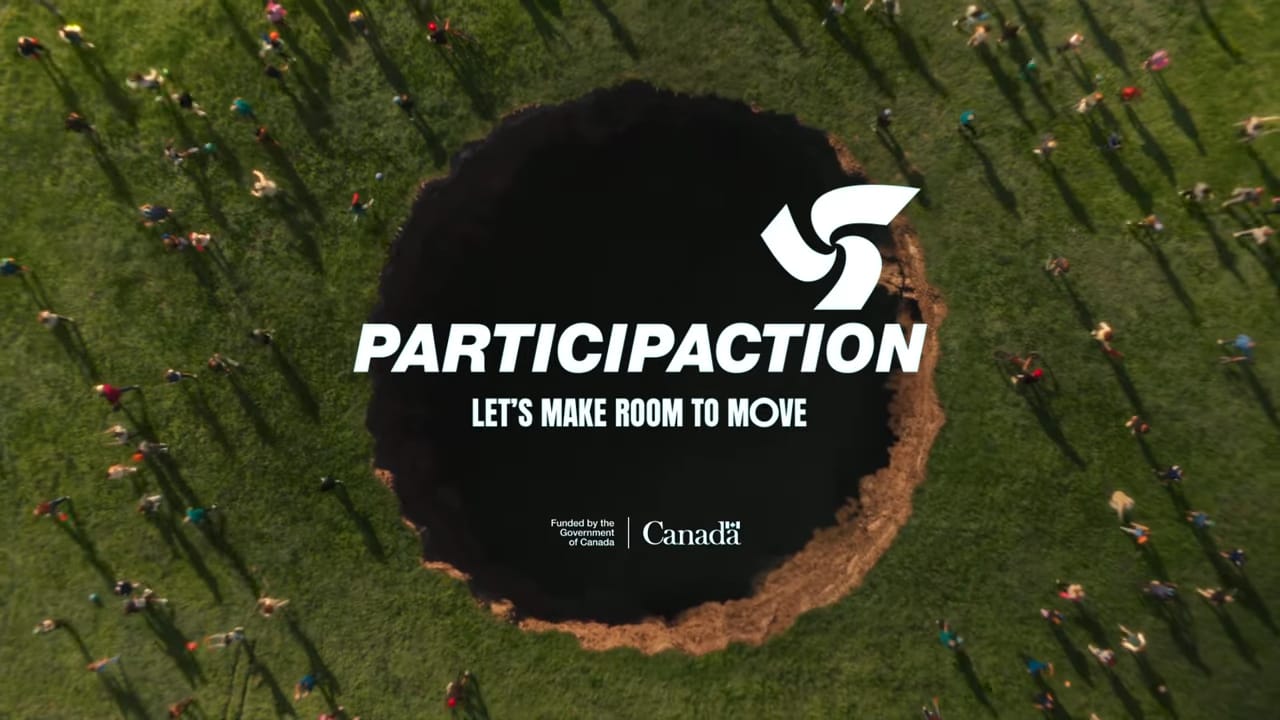
Launched in January 2025, the campaign centres on a striking visual metaphor: people marching through countryside carrying physical manifestations of their screen-time barriers - from boulders made of screens to tangles of gaming equipment. They proceed to throw these burdens into a giant hole, set to Wagner’s ‘Lohengrin’ (yes, really).
Created by agency Zulu Alpha Kilo and directed by Nick Roney, the campaign runs until March 2025. The national rollout spans multiple channels including connected TV, linear broadcast, YouTube, Meta, and cinema placements.

Why This Campaign Works
1. Visual Metaphor That Lands
Instead of preaching statistics about screen time, the campaign physicalised our digital burden. A boulder made of screens isn’t subtle, but it’s instantly understandable. It shows rather than tells - a principle too many campaigns forget.
2. Timing & Cultural Context
While Gen Z statistics highlight the issue (83% admit they spend more time than they’d like on their phones), the campaign speaks to all Canadians struggling to integrate physical activity into their daily lives. It’s not just about young people and their phones - it’s about anyone who finds their free moments consumed by screens rather than movement.
3. Empowerment Over Guilt
Notice what’s missing? No finger-wagging, no shame. Instead, we see the liberation of letting go. The Wagner soundtrack elevates this from a PSA to something almost ceremonial.

Campaign Execution
The technical execution matches the ambition of the concept. Co-produced by Spy Films and ProdCo, with post-production handled by Nimiopere, Alter Ego, and Boombox Sound, every element reinforces the campaign’s core message. This attention to craft helps elevate what could have been a simple PSA into something more memorable.
Key Marketing Learnings
1. Make the Invisible Visible
The campaign’s genius lies in making screen addiction tangible. When tackling intangible problems (like digital overwhelm), find ways to make them physical and concrete.
2. Know Your Role
ParticipACTION could have bombarded us with health stats. Instead, they positioned themselves as enablers of change rather than stern authority figures. Sometimes the most powerful thing a brand can say is “we get it.”
3. Channel Integration
From connected TV to cinema, the campaign maintains its impact across platforms. The media strategy, developed in partnership with M&K Media, ensures the message reaches Canadians wherever they consume content - whether that’s traditional broadcast, social media, or movie theatres.
The Bigger Picture
What we’re seeing here is more than just another health campaign. It’s a masterclass in behaviour change marketing:
-
Acknowledge the Reality: They’re not pretending it’s easy to break phone habits
-
Visualise the Solution: The hole becomes a powerful symbol of letting go
-
Celebrate the Change: The triumphant tone makes health feel aspirational
Looking Forward
As Rebecca Jones, Senior Director of Marketing and Communications at ParticipACTION puts it: “This campaign is designed to help Canadians recognise the barriers to staying active and inspire them to make room to move.”
The Bottom Line
The success of “Less scrolling. More strolling.” lies not in its production value or clever copywriting (though both are excellent). It succeeds because it understands a fundamental truth about behaviour change: people don’t need more information - they need permission and inspiration to act on what they already know.
For marketers, the lesson is clear: sometimes the most powerful campaigns don’t tell people what to do - they simply hold up a mirror to what people already want to do.
Want more insights on building campaigns that actually connect? Join my weekly newsletter “A Marketer’s Mindset” - where I break down one crucial marketing challenge each week, featuring real stories from marketing leaders in top brands, practical takeaways, and expert insights you won’t find anywhere else.
[
Subscribe